
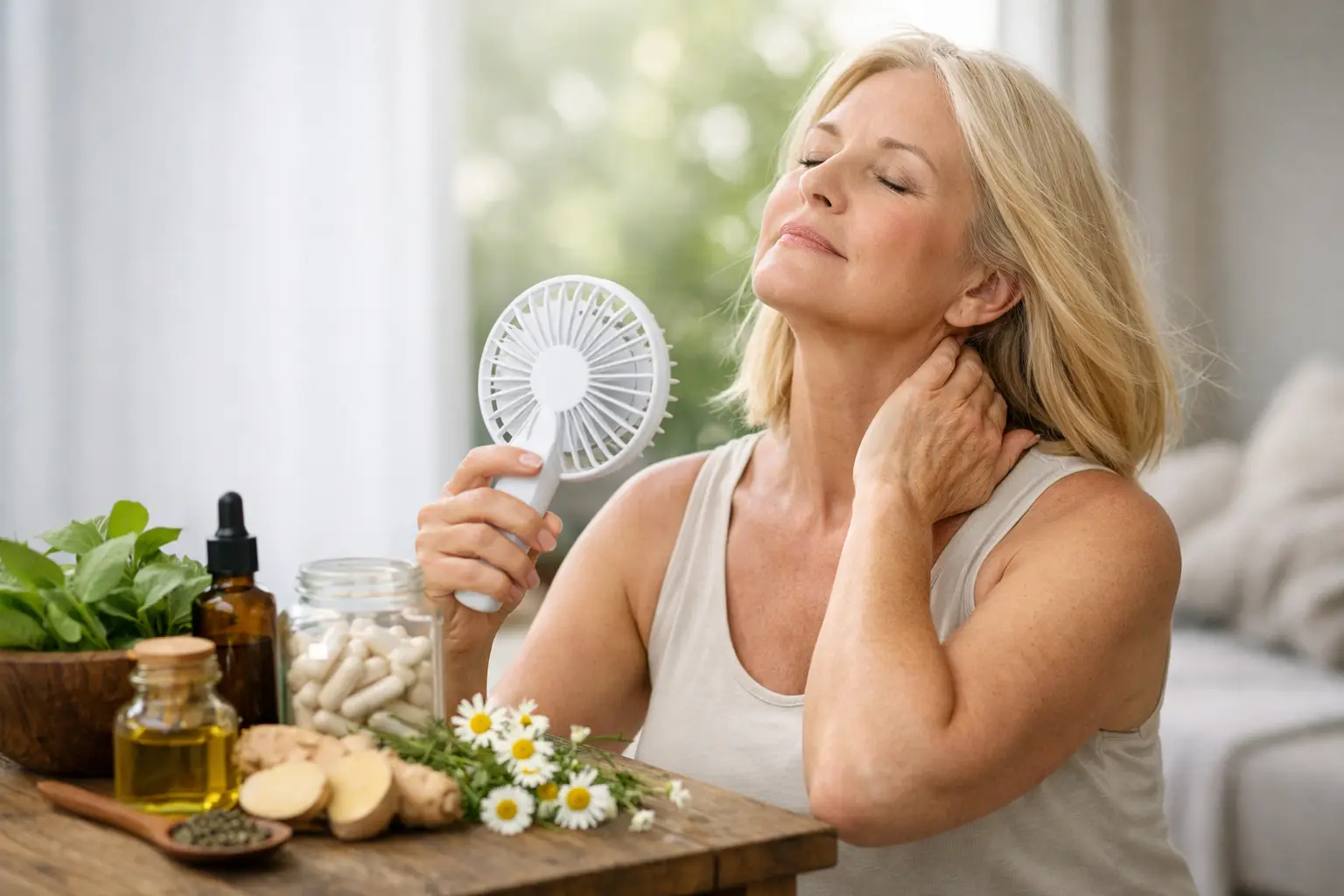
A hot flash can interrupt a meeting, wake you from a sound sleep, or leave you suddenly uncomfortable in a room that feels perfectly normal to everyone else. For many people, finding a natural treatment for hot flashes is not about avoiding medical care. It is about finding practical relief while understanding the hormonal, metabolic, sleep, and stress-related factors that can make symptoms more intense.
Hot flashes are common during perimenopause and menopause, but they are not trivial. Frequent episodes can affect concentration, mood, relationships, exercise habits, and confidence in daily life. A coordinated approach can help identify what is driving your symptoms and determine which natural strategies, clinical options, or combination of both is most appropriate.
Why Hot Flashes Can Feel So Disruptive
Hot flashes, also called vasomotor symptoms, are sudden sensations of heat that commonly affect the face, neck, and chest. They may come with sweating, flushing, a racing heartbeat, anxiety, or chills afterward. Nighttime hot flashes are often called night sweats, and the sleep disruption they cause can create a frustrating cycle of fatigue, irritability, and heightened stress.
The primary driver is often fluctuating or declining estrogen during the menopause transition. Estrogen helps regulate the brain’s temperature-control center. When levels shift, the body can become more sensitive to small changes in internal temperature and trigger a heat-release response that feels sudden and intense.
Still, hormones are not the only piece of the picture. Poor sleep, chronic stress, alcohol, nicotine, blood sugar swings, certain medications, thyroid concerns, and excess body weight can all contribute to symptom frequency or severity. This is why a one-size-fits-all recommendation can fall short. The most useful plan begins with a comprehensive assessment of the person experiencing the symptoms.
Natural Treatment for Hot Flashes: Start With Daily Triggers
Lifestyle changes are often the most accessible starting point. They may not eliminate hot flashes for every person, but they can reduce avoidable triggers and create a stronger foundation for other treatment decisions.
Keeping a brief symptom log for two to four weeks can be surprisingly useful. Note when hot flashes occur, what you ate or drank beforehand, sleep quality, stress level, menstrual changes if applicable, and the severity of each episode. Patterns may emerge around alcohol, spicy meals, caffeine, warm bedrooms, heavy bedding, or stressful events.
Temperature management also matters. Layered clothing made from breathable fabrics can make it easier to respond quickly when a hot flash starts. A fan near the bed, moisture-wicking sleepwear, cool water at the bedside, and lighter bedding can improve comfort at night. These steps sound simple, but better sleep can reduce the physical and emotional strain that makes symptoms feel harder to manage.
Regular movement is another valuable tool. Walking, strength training, mobility work, and low-impact cardiovascular exercise can support mood, sleep, bone health, metabolic health, and weight management during menopause. Exercise does not produce the same result for every person, and intense workouts close to bedtime may worsen sleep for some. The goal is a sustainable routine that supports recovery rather than adding more stress to an already depleted system.
Support Sleep, Stress, and Blood Sugar Stability
Many people notice that hot flashes feel worse after a short night of sleep or during high-stress periods. This does not mean symptoms are “all in your head.” It means the nervous system and hormone system are closely connected. When the body is in a prolonged state of stress, it may be more reactive to internal changes.
A consistent sleep and wake schedule, a cooler bedroom, and limiting screens or work-related stimulation before bed can help create more predictable sleep. Relaxation practices such as paced breathing, gentle stretching, guided imagery, or mindfulness may also lower stress reactivity. Cognitive behavioral therapy has evidence for helping some people reduce how disruptive hot flashes and night sweats feel, particularly when sleep and anxiety are also concerns.
Nutrition can support this broader strategy. Instead of pursuing restrictive diets, focus on regular meals that include protein, fiber-rich carbohydrates, healthy fats, and vegetables. Stable meals can reduce energy crashes and blood sugar fluctuations that may compound fatigue, cravings, and temperature discomfort. Hydration is equally practical, especially for people experiencing frequent sweating.
Alcohol is a common trigger, although sensitivity varies. Some people notice improvement by reducing the amount they drink or avoiding alcohol in the evening. Caffeine and spicy foods can have a similar effect. A symptom log can help distinguish personal triggers from general assumptions.
What About Supplements and Herbal Remedies?
Supplements are often marketed as a simple natural answer, but they deserve careful evaluation. “Natural” does not automatically mean safe, effective, or appropriate for your health history.
Soy foods and other sources of isoflavones may provide modest relief for some people. Whole-food sources such as tofu, tempeh, edamame, and soy milk are generally more predictable than taking high-dose extracts. However, anyone with a history of estrogen-sensitive cancer or who takes hormone-related medication should discuss soy and phytoestrogen products with a qualified clinician.
Black cohosh is another commonly discussed option. Research results are mixed, product quality varies, and it may not be appropriate for individuals with liver disease or those taking certain medications. Red clover, evening primrose oil, and various proprietary menopause blends are also widely available, but evidence for reliable symptom relief remains limited.
Magnesium may support sleep or muscle relaxation for some people, but it is not a proven stand-alone treatment for hot flashes. The same applies to many vitamins and adaptogenic herbs promoted for menopause. Supplements can interact with blood thinners, antidepressants, blood pressure medication, thyroid medication, and other prescriptions. A clinician or pharmacist should review the complete medication and supplement list before you add a new product.
When Natural Strategies Are Not Enough
Natural approaches can be meaningful, but they should not leave you feeling like you have to tolerate severe symptoms indefinitely. If hot flashes are frequent, disrupt sleep, affect work or relationships, or occur alongside mood changes, weight changes, palpitations, or significant fatigue, a clinical evaluation can clarify next steps.
A thoughtful assessment may include a review of menstrual history, symptoms, medications, stress load, sleep quality, nutrition, activity level, and relevant lab work. Depending on your situation, a provider may consider thyroid function, metabolic markers, medication side effects, and other contributors that can resemble or worsen menopause symptoms.
Menopausal hormone therapy can be highly effective for appropriate candidates, but it is not right for everyone. Nonhormonal prescription options are also available. The right decision depends on your age, timing of menopause, medical history, personal risk factors, symptom severity, and goals. Natural strategies and medical treatment are not opposing choices. Many people do best with a personalized combination.
A Coordinated Plan Looks Beyond One Symptom
Hot flashes rarely happen in isolation. They may appear alongside sleep changes, anxiety, low mood, joint discomfort, reduced energy, weight resistance, headaches, or changes in sexual health. Treating only the temperature episodes can miss root contributors that are affecting your quality of life more broadly.
At Quad Cities Integrative Wellness, coordinated care can bring hormone support, mental health care, mobility-focused services, metabolic planning, and recovery-oriented wellness strategies into one personalized conversation. This model helps reduce the guesswork that comes from trying to manage overlapping symptoms through disconnected appointments and generic advice.
The most effective next step is not necessarily the newest supplement or the strictest lifestyle plan. It is an honest assessment of what your body is signaling, what has changed, and what level of support will help you feel steady again. Relief often starts when your care plan is built around your full health picture, not just the moment a hot flash begins.